How Telehealth Providers Can Use AI to Cut No-Shows and Speed Up Intake
The no-show problem is bigger than most providers realize
No-show rates average around 23.5% globally across healthcare settings, and spike as high as 80% in high-risk populations (DexCare, 2026). Interestingly, the data on telehealth specifically is mixed — one JAMA study found a higher no-show rate for telehealth appointments than in-person (17% vs. 13%), while a separate American Journal of Preventive Medicine study found the opposite (12% vs. 25%). The honest takeaway: telehealth itself doesn't automatically solve the no-show problem — the tools built around the appointment do.
That's where AI-driven scheduling and reminders have shown consistent, measurable impact.
What the data actually shows about AI's effect on no-shows
- A peer-reviewed 2024 study found an AI-based appointment system increased the rate of patients attending appointments by 10% per month (NIH/PMC, 2024).
- Multiple industry reports on AI-driven patient reminder systems report no-show reductions in the 30–60% range, depending on how proactive and two-way the communication is (CallMyDoc, 2026; Appointment Reminder, 2026).
- Simple automated reminders alone — without full AI — have been shown to cut no-shows by roughly 30–39% in several studies, which gives a useful baseline for how much more a genuinely AI-driven system can add on top.
Where AI actually fits into a telehealth practice
1. Proactive, two-way reminders instead of one-way notificationsRather than a single text reminder, an AI system can handle back-and-forth confirmation, rescheduling, and follow-up automatically — which is where the larger reductions in no-shows tend to come from, versus passive reminders alone.
2. Intake handled before the appointment startsAI-driven intake tools can collect and organize patient information before the visit, cutting down the time spent on administrative back-and-forth during the actual appointment.
3. Staff knowledge assistants for common patient questionsAn AI system trained on your practice's own protocols can answer common patient questions instantly, freeing up staff time that would otherwise go to repetitive phone calls.
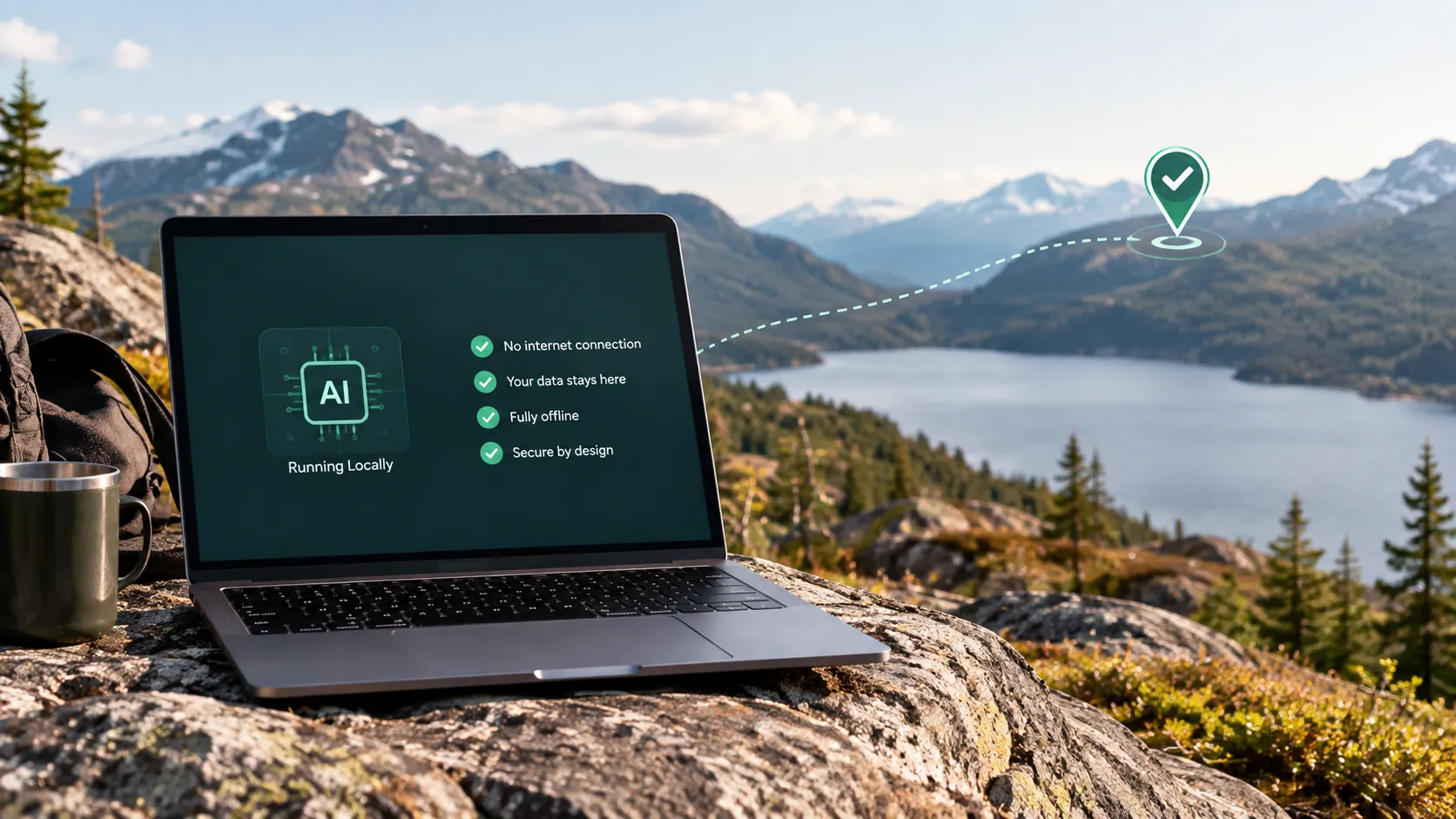
4. Private, air-gapped systems where patient data can't leave your controlFor practices that can't risk patient health information leaving their control, these systems can be built to run entirely on local hardware, with no internet connection at all.
The bigger point: this isn't about replacing anything
None of this replaces the actual care being provided — it removes the administrative friction sitting in front of it. The most effective use of AI in a telehealth practice tends to be narrow and specific: pick the one or two points in the patient journey generating the most no-shows or the most repetitive staff time, and start there.
Want to know exactly where AI would help most in your practice's workflow? Book a free call and we'll walk through it.